- Supercool
- Posts
- 🌐 Passive House: All The Lifestyle Gain, None of the Environmental Pain
🌐 Passive House: All The Lifestyle Gain, None of the Environmental Pain

Josh Dorfman
March 19, 2026
Passive House – a design movement aimed at ultra-low energy use for heating and cooling while providing superior comfort, air quality, and sustainability – has a branding problem.
It sounds so un-American. We're not a passive nation. We're action-oriented. Take matters into our own hands. Control our own destiny. We are a nation of Just do it.
How are we supposed to get fired up about a passive anything?
But nothing about a Passive House is timid. On the contrary, it's all about high performance.
Heating and cooling bills that are 80-90% lower than conventional homes
Indoor air that is filtered and fresh around the clock
Never a bug or cockroach in sight
And silence — no street noise encroaching on sleep
Passive House describes how little energy a house needs to perform. A house so well-engineered — the insulation, the windows, the airtight envelope — it barely has to try.
But still, despite origins on the European continent and being handicapped with a terrible name, it's spreading rapidly across the U.S.
Michael Ingui has been building Passive Houses in New York City for more than a decade.
He's the principal of Ingui Architecture, one of the city's most celebrated residential design firms — the kind of practice where the before-and-after photos make you want to move to Brooklyn immediately.
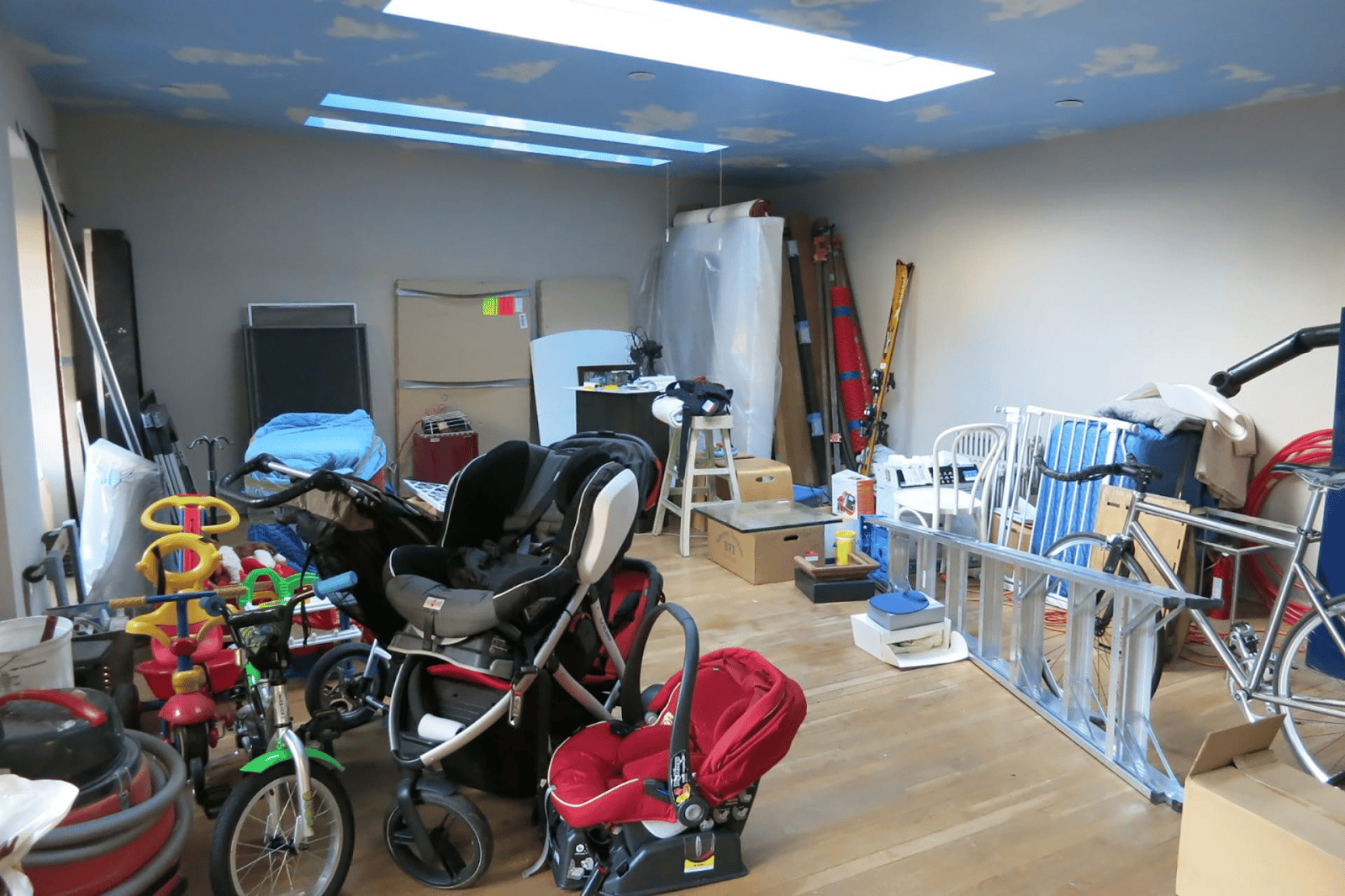
Before/After: A storage room converted into a serene studio in Brooklyn’s Park Slope neighborhood.

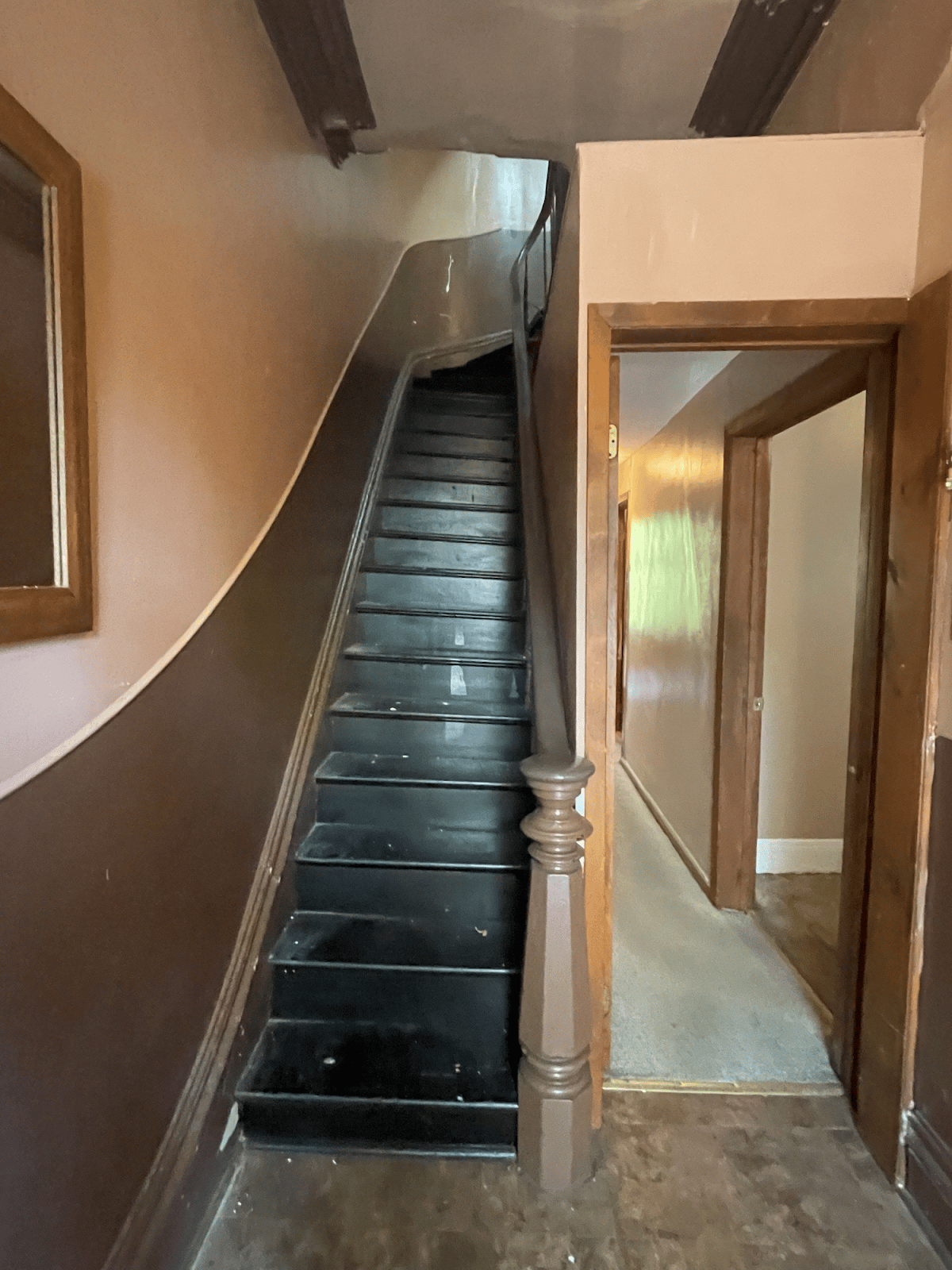
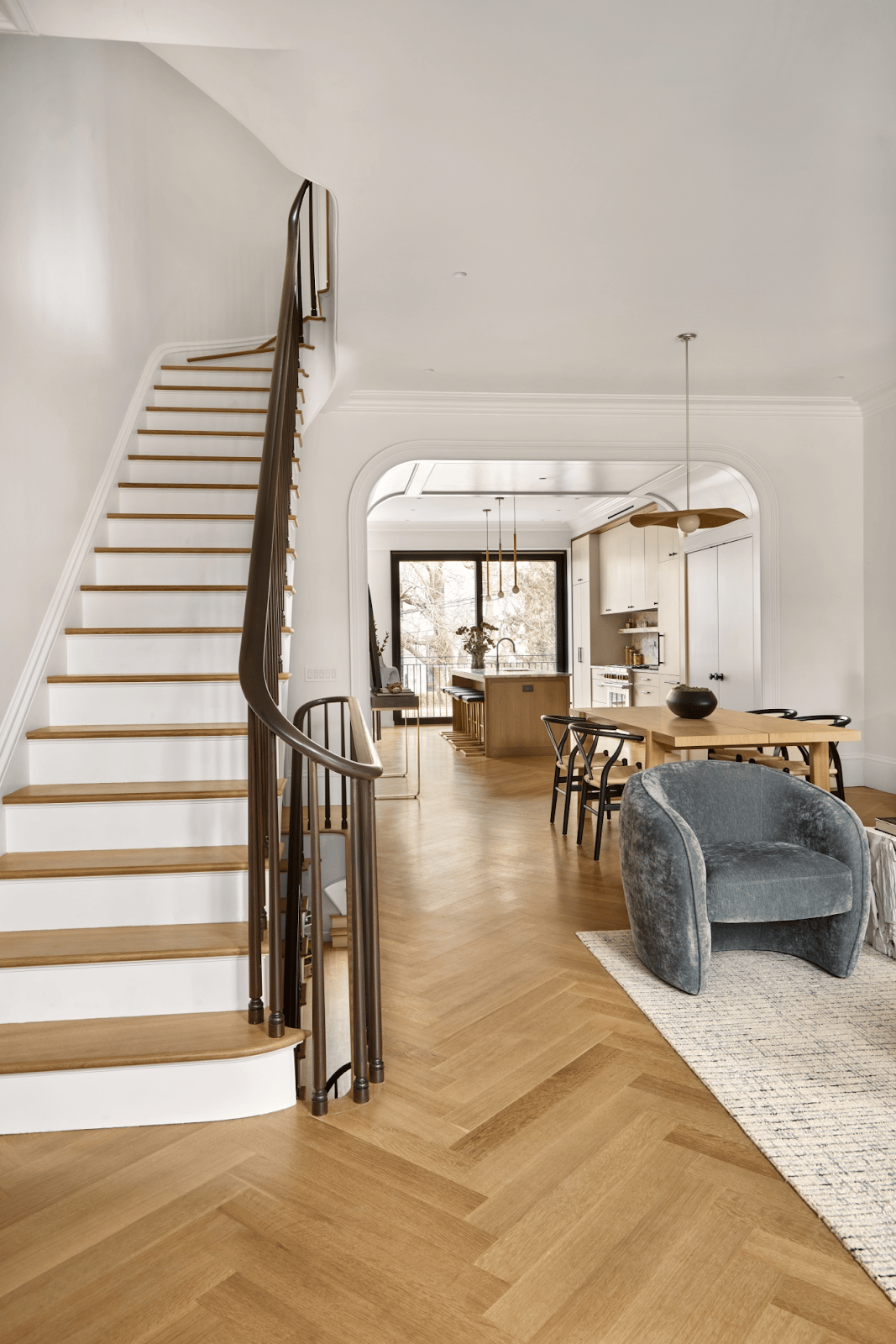
Before/After: A closed-off parlor entryway, turned into a sculptural element in an open floor plan in Brooklyn’s Carroll Gardens neighborhood.
Michael also co-founded the Passive House Accelerator, a catalyst for zero-carbon building that shares innovation and thought leadership across Passive House design and construction.

The Accelerator’s excellent introduction to Passive House 101.
He also co–founded, Source 2050, a vetted marketplace for energy-efficient and high-performance building materials essential to Passive House construction. Knowing how to build better solves half the problem. Timely sourcing of the materials necessary solves the other half.
In Europe, Passive House has been code in some cities for years. In the U.S., it's been a specialty practice. That gap is closing. The question is — what's driving it and what's still standing in the way?
Here's what stood out from my conversation with Michael.
Nobody needs to be sold on quiet.
"If you want to have a house that's free of most bugs and dust, we could probably do a passive house. If you want to have a house where I don't hear that street noise, I could use passive house windows. If you want a house with filtered fresh air 24-7, I could do a passive house. And then I can get into some of the other things, but they always cut me off."
When the benefits are this obvious, naming the technique just gets in the way.
The sacrifice was never real.
"My clients don't give up anything. I've done passive houses with swimming pools. I've done passive houses with elevators, gas ranges, electric ranges. Fireplaces, no fireplaces. It's just a better building technique."
Every passive house with a swimming pool is a rebuttal to twenty years of sustainability marketing.
People don't recommend it. They feel it.
"It is like a really nice quality car. When you close the door and hear the thump. It's immediate. It's not like you have to be in the house for a while. You just don't know why — why is it so quiet? Why does it smell so pretty? It's like, it's immediate."
Nobody walks out of a Passive House asking for the energy model. They ask how they can get one too.
The best technology disappears.
"I forgot to turn my heat on. It was like eight degrees outside. And it's really amazing that the houses don't need to be heated that much."
Michael was writing one December morning at his kitchen table — shorts, bare feet, polar vortex outside — before realizing his thermostats had been set to cooling all winter.
The goal isn't better heating. It's not needing it.
The heat pump gets the press release. The envelope is why it works.
"You don't solve the envelope first, you really put the cart before the horse in a really expensive way."
The envelope doesn't depreciate. The equipment does. Getting the order wrong is expensive,
Most industries hide their failures. This one publishes them.
"They do not gatekeep. In fact, the opposite. Everybody's dying to tell you how they failed and how they succeeded."
A community that treats failure as a curriculum scales faster than one that treats it as a liability.
The conversion isn't gradual. It's a flip.
"You see the ah-ha, the light go off over and over and over again. As someone comes into the community, why have I not been doing this forever? And almost guilt — my God, how did I not know this already?"
The guilt isn't about the planet. It's about all the buildings they built before this one.
Every climate commitment eventually becomes a purchase order.
"Everything that everybody talks about, 2030, 2050 — never make it. If you cannot buy it really easily, it’s never happening."
Low-carbon construction hinges on contractors getting the high-performance building products and materials they need at the precise moment they’re needed on the job site.
🌐 Supercool Takeaway
The first rule of selling Passive House: Don't talk about Passive House. Let all of its benefits do the talking.
Operator Takeaways
Lead with lifestyle, not standards. Nobody asks for a building technique. They ask for quiet, clean air, and no bugs. Start there.
Envelope first, equipment second. The best heat pump in the world can't overcome a building that leaks.
Open your job site. Sharing failures with competitors makes Passive House construction cheaper and faster.
This Week’s Podcast Episode
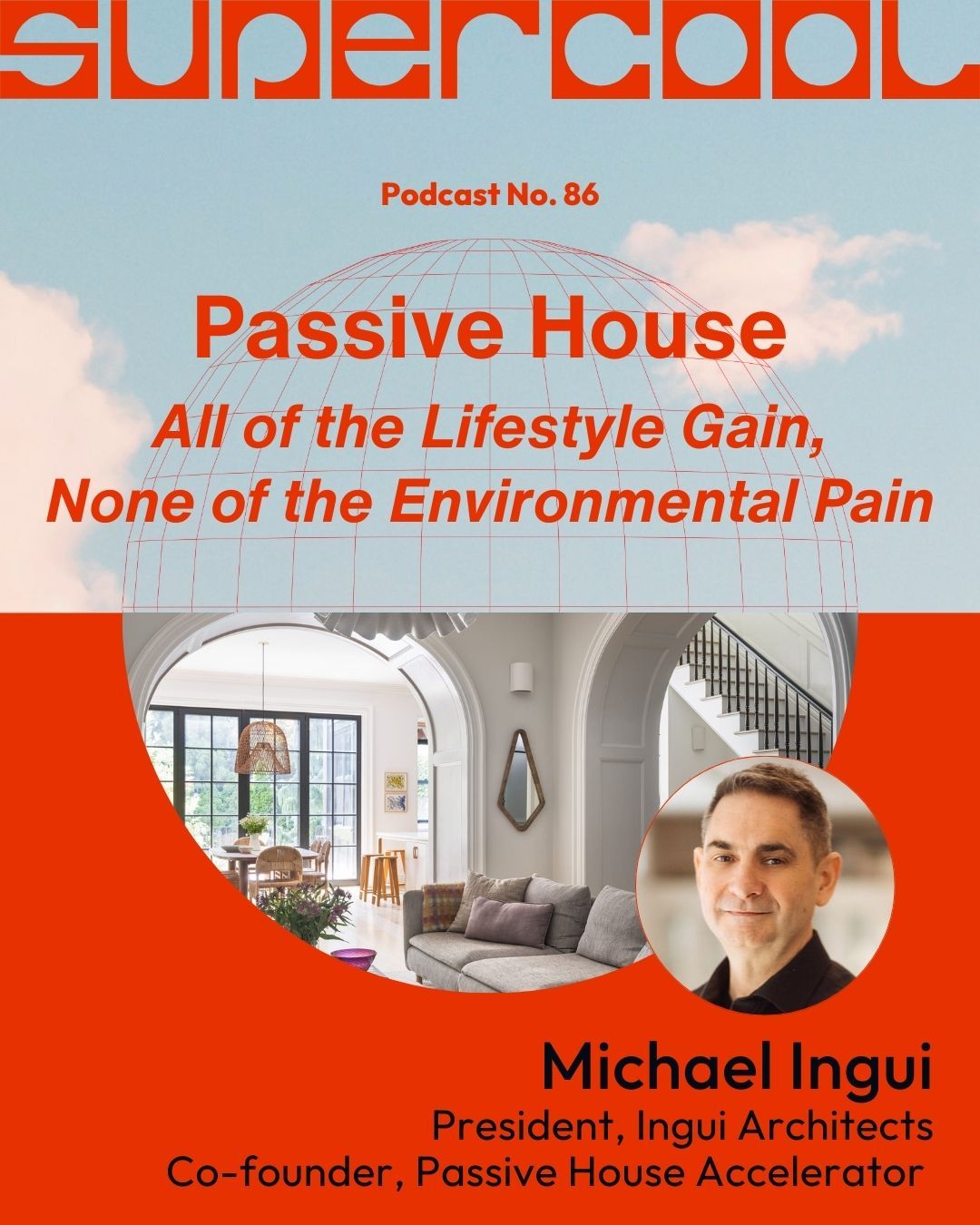
Passive House: All The Lifestyle Gain, None of the Environmental Pain
🎙️ Listen on Apple, Spotify, and all other platforms.
↓
This week’s Supercool sponsor
HAPPENING TODAY
Free Webinar Series with Johnson Controls: Evolving Building Codes
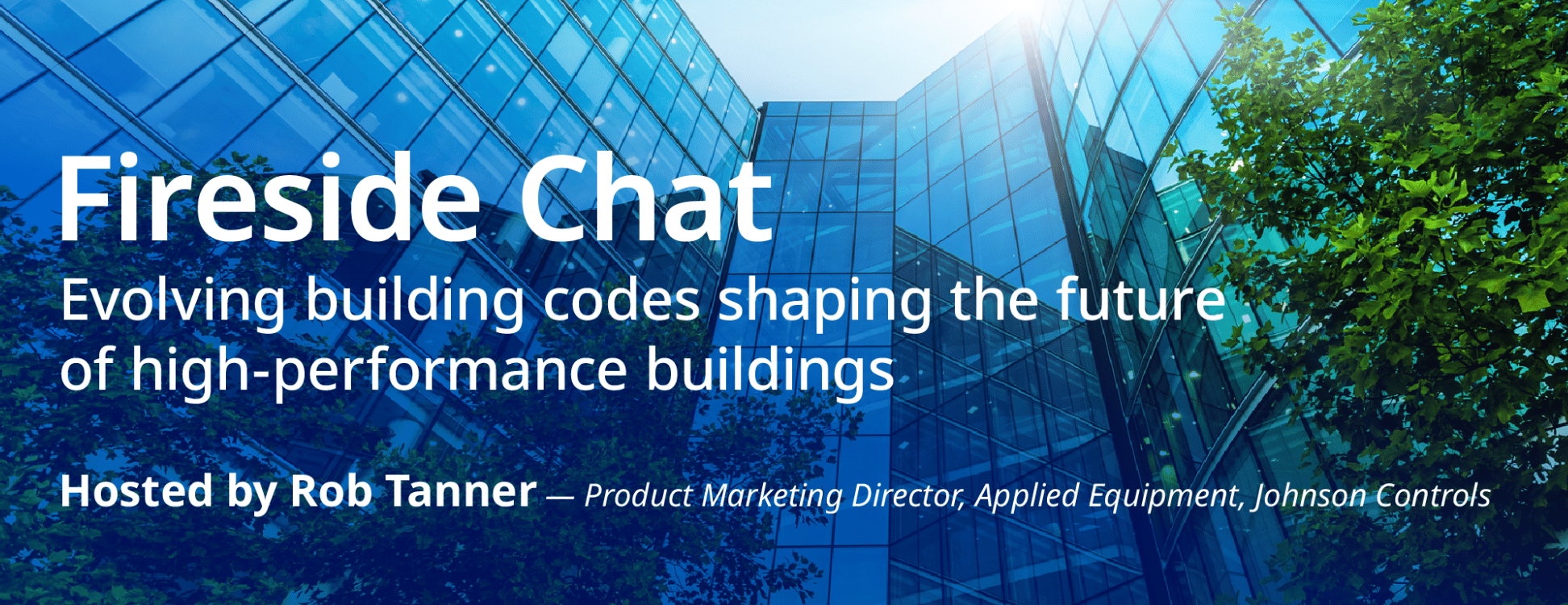
Do you have a high-performance building strategy? Do you know why you need one?
Building codes are evolving fast. Decarbonization, electrification, air quality, resilience — the standards are getting more rigorous. And they no longer only apply to construction.
They follow your building into operations. Which means if you're responsible for how a building runs, this is on your plate now, too.
Johnson Controls has been on Supercool. We're big fans. This month, they're launching a new webinar series on building performance standards. We're excited to partner with them to bring it to you.
The first session is today, March 19th, from 12 to 1 pm CT (1-2 pm ET).
Host: Rob Tanner, Director at Johnson Controls, who has spent two decades reimagining the performance of buildings to serve people, places, and the planet.
Guest: Josh Brackett from Banner Health, where he leads compliance across operations, design, and construction for all healthcare facilities.
↓
Where Supercool Traveled This Week
PODCASTS
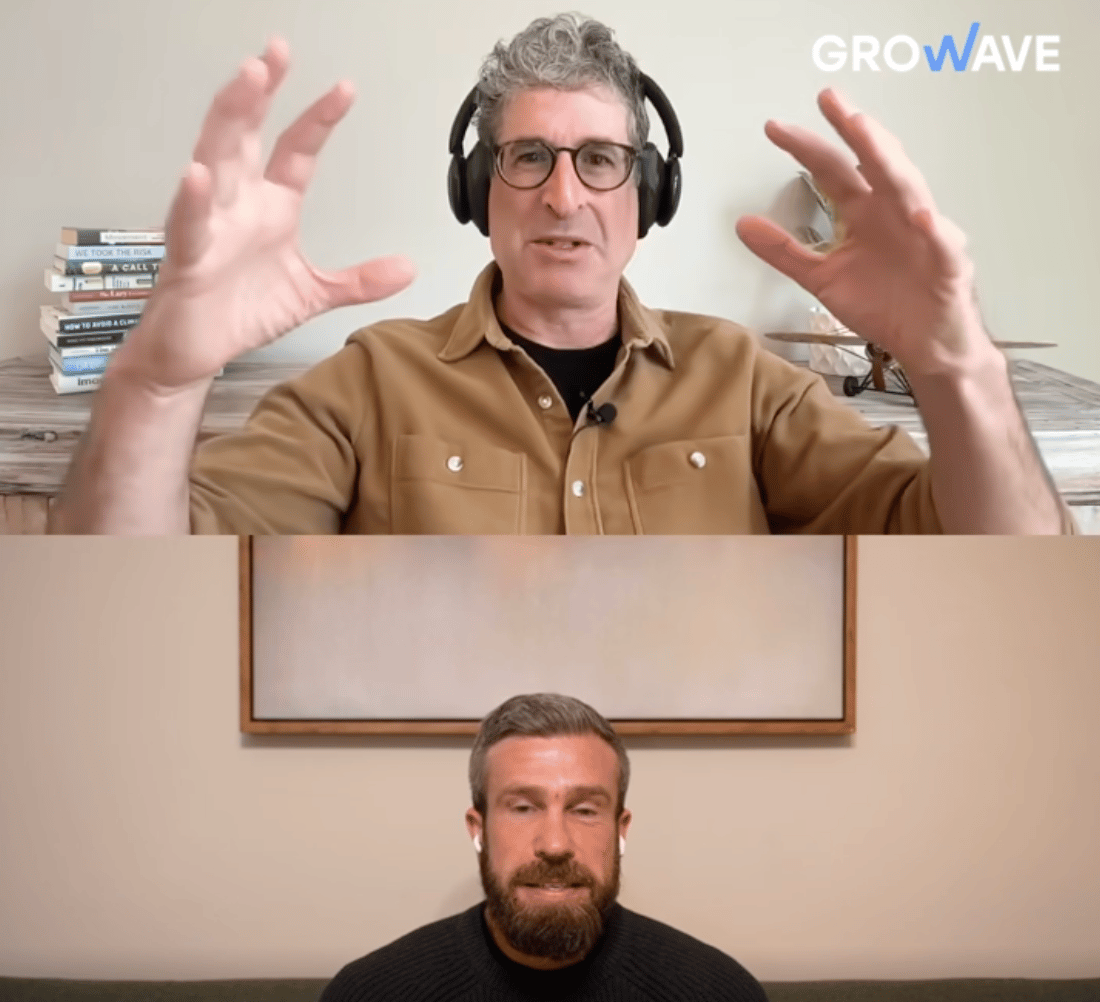
(With a lot of hand waving this week)

↓
Interested in Advertising with Supercool?
Connect with future-forward decision-makers seeking next-gen climate innovations. Reach out to discuss how Supercool’s platform can help. Just hit reply to this email.
↓
Not yet subscribed to Supercool?
Click the button below for weekly updates on real-world climate solutions that cut carbon, boost the bottom line, and improve modern life.
🌐